The Doobie Brothers: Masters of Harmonies and Rock’s Many Shades
The Doobie Brothers. Formation and Early Days
The Doobie Brothers were formed in 1970 in San Jose, California, by Tom Johnston (vocals, guitar) and John Hartman (drums). Originally intended as a casual jam band, the group quickly evolved when they began playing in local bars, attracting a loyal following. Their early music was a potent mix of blues, folk, and rock and roll, laying the foundation for what would become one of the most versatile sounds in American rock music.
Their band name came about somewhat whimsically — reportedly suggested by a friend because the members were known for their fondness for “doobies” (slang for marijuana).
The Doobie Brothers. Classic Lineup and Key Members
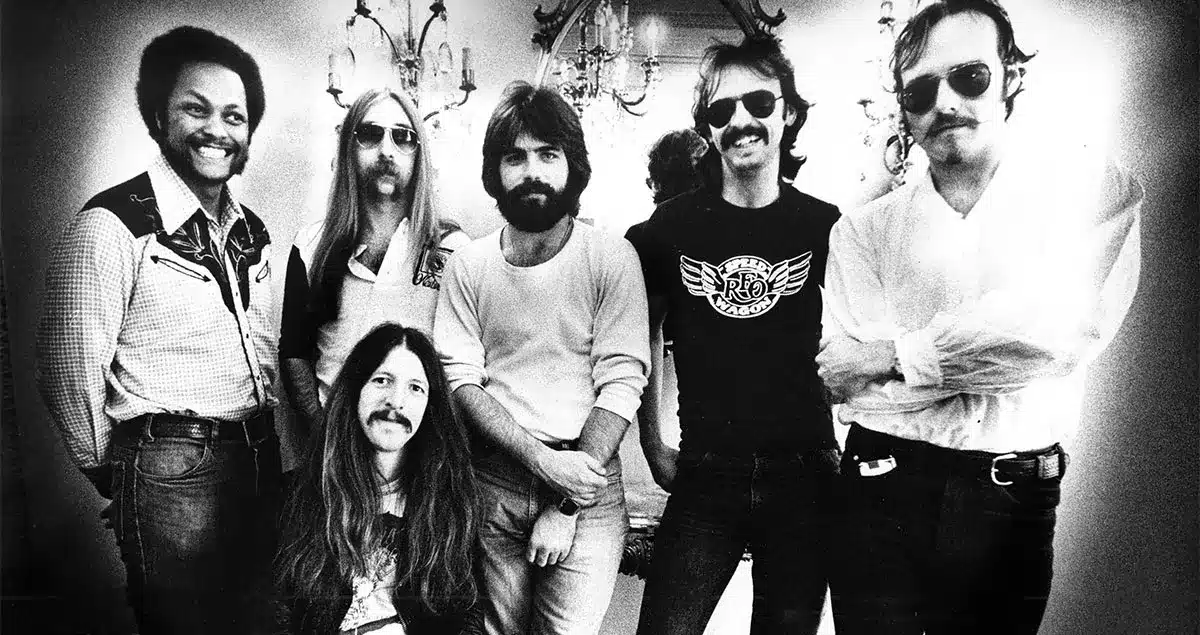
Throughout their career, The Doobie Brothers have had numerous lineup changes, but some members stand out for their critical contributions:
- Tom Johnston – vocals, guitar
- Patrick Simmons – vocals, guitar (the only member to be in every iteration)
- Michael McDonald – vocals, keyboards (joined in 1975, profoundly shifting the band’s sound)
- John Hartman – drums
- Tiran Porter – bass guitar
- Keith Knudsen – drums, vocals
Each era of the Doobies reflects the dominant influence of these musicians, from Johnston’s rock-rooted energy to McDonald’s smooth, soulful direction.
The Doobie Brothers. Musical Evolution
The Doobie Brothers’ music is notable for its adaptability. Initially, they rode the wave of early-‘70s roots rock with hits like:
- “Listen to the Music”
- “China Grove”
- “Long Train Runnin'”
When Tom Johnston faced health issues, the band brought in Michael McDonald, whose blue-eyed soul influence dramatically changed their style. With McDonald, they leaned into soul, R&B, and pop-rock, producing some of their most enduring hits like:
- “Takin’ It to the Streets”
- “What a Fool Believes” (which won a Grammy Award for Record of the Year)
- “Minute by Minute”
This ability to transform without losing their identity kept The Doobie Brothers both fresh and relevant across decades.
The Doobie Brothers. Essential Albums
Here’s a quick look at some of their pivotal albums:
- Toulouse Street (1972) – The breakout album featuring “Listen to the Music.”
- The Captain and Me (1973) – Featuring “China Grove” and “Long Train Runnin’,” defining their early success.
- Takin’ It to the Streets (1976) – Marked the beginning of the McDonald era.
- Minute by Minute (1978) – Their biggest commercial success, blending rock with soulful pop.
- World Gone Crazy (2010) – A comeback album showing they could still deliver classic energy.
The Doobie Brothers. Legacy and Influence
The Doobie Brothers are among the few bands that seamlessly blended different American musical traditions—rock, soul, country, R&B, and even jazz—into a sound that remains distinctively theirs. Their tight vocal harmonies, crisp guitar work, and rhythmic diversity influenced countless acts that followed.
They were inducted into the Rock and Roll Hall of Fame in 2020, a testament to their enduring appeal and contribution to American music history.
Fascinating Facts
- They are one of the few major bands with two successful and distinct musical eras: the Johnston-led rock era and the McDonald-led soul era.
- “What a Fool Believes”, co-written by Michael McDonald and Kenny Loggins, is considered one of the best examples of “Yacht Rock.”
- Their early sound heavily incorporated two drummers, giving their rhythm a unique, complex feel.
- Despite many lineup changes, Patrick Simmons has been a constant, guiding the band through every major transition.

The Doobie Brothers: Full Discography Overview
1971 – The Doobie Brothers
Their self-titled debut didn’t gain much commercial traction, but it showcased their raw, rootsy rock style. Songs like “Nobody” hinted at their potential, blending bluesy guitar and tight harmonies.
1972 – Toulouse Street
This album launched them into the spotlight with “Listen to the Music” and “Jesus Is Just Alright”. A warmer production and stronger songwriting made this their first platinum success.

1973 – The Captain and Me
One of their signature albums, featuring high-energy rockers like “China Grove” and “Long Train Runnin’”. It balances hard-driving rock with melodic ballads, capturing their early peak.
1974 – What Were Once Vices Are Now Habits
Featuring the chart-topping ballad “Black Water”, this album saw them experimenting more with acoustic textures and New Orleans influences, broadening their sound.
1975 – Stampede
The last album before Michael McDonald joined. It continued their stylistic explorations, adding touches of country rock. Notable songs include “Take Me in Your Arms (Rock Me)”.
1976 – Takin’ It to the Streets
A turning point for the band. With McDonald on board, the music embraced a smoother, soulful R&B sound, evident in tracks like “Takin’ It to the Streets” and “It Keeps You Runnin’”.
1977 – Livin’ on the Fault Line
A more polished and jazzy album, moving deeper into McDonald’s R&B territory. Though it wasn’t as commercially successful, it’s praised for its atmospheric, laid-back vibe.
1978 – Minute by Minute
Their biggest-selling album. Featuring the massive hit “What a Fool Believes”, this LP solidified their place in pop-soul crossover history. It won multiple Grammy Awards.
1980 – One Step Closer
This album pushed even further into soft rock and blue-eyed soul. Though it had hits like “Real Love”, it also signaled the beginning of internal strain within the band.
- 1983 – Farewell Tour
Captured during what was supposed to be their final tour, this live album highlights their classic songs across different eras. A strong farewell statement—though the band would later reunite.
1989 – Cycles
The Doobies reunited with Tom Johnston for this record. It marked a return to their rock roots, with songs like “The Doctor” echoing their earlier, upbeat style.
1991 – Brotherhood
Following the success of Cycles, this album didn’t perform as well commercially but contained gems for longtime fans. It maintained their rock and roll spirit despite a changing musical landscape.
2000 – Sibling Rivalry
Their first studio album in nearly a decade. Featuring a mix of rock, soul, and blues, it showcased the Doobies’ ability to adapt while staying true to their classic essence.
2010 – World Gone Crazy
Produced by longtime collaborator Ted Templeman, this album was a vibrant comeback. The title track and “Nobody” (a re-recorded version of their 1971 song) reflect both nostalgia and renewed energy.
2014 – Southbound
An intriguing project where The Doobie Brothers re-recorded their classics with contemporary country stars like Zac Brown Band and Brad Paisley. It bridges their legacy with modern country-rock.
2021 – Liberté
Released for their 50th anniversary, Liberté sees the band combining new material with their signature harmonies and rhythms. Songs like “Oh Mexico” show they can still craft sunny, catchy rock.
Final Thoughts
The Doobie Brothers’ discography tells the story of a band that could shift styles effortlessly — from roots rock to soul, from bar-band jams to Grammy-winning pop — without losing their identity. Their willingness to evolve, while staying anchored by brilliant songwriting and musicianship, makes them one of the most enduring and versatile bands in American music.