Progressive Rock

Best Progressive Rock Bands

The Pioneers of Progressive Rock (Late 1960s – Early 1970s)

  • King Crimson (The founding fathers of progressive rock, known for complex, avant-garde compositions.)
  • Yes (Defined the symphonic progressive rock sound with virtuoso musicianship.)
  • Genesis (Initially progressive, blending theatrical storytelling and complex structures.)
  • Pink Floyd (Pioneers of atmospheric and concept-driven progressive rock.)
  • Emerson, Lake & Palmer (ELP) (Fusion of classical music with progressive rock.)
  • Jethro Tull (Blended folk, classical, and rock into a unique progressive sound.)
  • Van der Graaf Generator (Dark, experimental, and avant-garde approach to prog.)
  • The Moody Blues (One of the first bands to integrate orchestral elements into rock.)
  • Soft Machine (Merged jazz fusion with Canterbury Scene progressive rock.)
  • Caravan (Melodic and whimsical, representing the Canterbury Scene.)

The late 1960s and early 1970s were the golden age of progressive rock. King Crimson’s In the Court of the Crimson King (1969) set the standard for the genre, while Yes and Genesis introduced symphonic elements. Pink Floyd focused on concept albums, and ELP blended classical and rock virtuosity.

The Expansion of Prog (Mid 1970s – Early 1980s)

  • Rush (Brought progressive rock into hard rock and heavy metal.)
  • Gentle Giant (Incredibly complex vocal harmonies and intricate song structures.)
  • Camel (Melodic and pastoral, with strong instrumental storytelling.)
  • Henry Cow (Avant-garde and experimental prog.)
  • Gong (Psychedelic, space rock, and jazz-fusion elements.)
  • Hawkwind (Blended progressive rock with space rock and heavy psychedelia.)
  • Kansas (American take on progressive rock, blending it with hard rock and AOR.)
  • UK (Short-lived supergroup with jazz and fusion elements.)

During this period, Rush introduced a harder-edged, technical style of prog, while Camel and Gentle Giant refined the melodic and complex side of the genre. Gong and Hawkwind explored space rock, and UK fused jazz with progressive structures.

Neo-Prog and the Prog Revival (1980s – 1990s)

  • Marillion (The most famous neo-progressive band, reviving classic prog elements.)
  • IQ (Complex compositions and deep emotional themes.)
  • Pendragon (Melodic and symphonic, reminiscent of early Genesis.)
  • Pallas (Dramatic, cinematic approach to neo-prog.)
  • Spock’s Beard (Blended 70s-style progressive rock with modern sensibilities.)
  • The Flower Kings (Revival of 1970s-style progressive rock.)
  • Arena (A darker, more theatrical approach to neo-prog.)

The 1980s and 1990s saw a resurgence of progressive rock, often referred to as neo-progressive rock. Marillion, IQ, and Pendragon carried the torch of symphonic prog, while Spock’s Beard and The Flower Kings revitalized the classic 70s sound.

Modern and Experimental Progressive Rock (2000s – Present)
  • Porcupine Tree (Blended progressive rock with alternative and metal influences.)
  • Tool (Rhythmic complexity and dark, psychological themes.)
  • Haken (Modern take on progressive rock with metal elements.)
  • Riverside (A mix of Pink Floyd-like atmosphere and progressive metal elements.)
  • Big Big Train (Folk-infused storytelling with classic progressive rock sound.)
  • The Tangent (Jazz-fusion-infused modern progressive rock.)
  • Leprous (Blends prog with alternative and metal elements.)
  • Steven Wilson (Solo work of Porcupine Tree’s frontman, exploring diverse progressive styles.)

In the 2000s and beyond, progressive rock fused with various genres. Porcupine Tree and Tool blended alternative and metal influences, while Haken and Leprous explored modern progressive metal directions. Big Big Train and The Tangent embraced classic prog elements with fresh production.

Conclusion

Progressive rock has evolved through multiple generations, from King Crimson and Yes to Marillion and Spock’s Beard, and now to modern innovators like Porcupine Tree and Haken. Despite its ups and downs in mainstream popularity, the genre continues to thrive with new ideas while maintaining its classic spirit of musical complexity and storytelling.

Greg Lake

Formation and Country Greg Lake, born Gregory Stuart Lake on November 10, 1947, in Poole, Dorset, England, was a renowned British musician and vocalist. He is best known as a…

Comments Off on Greg Lake

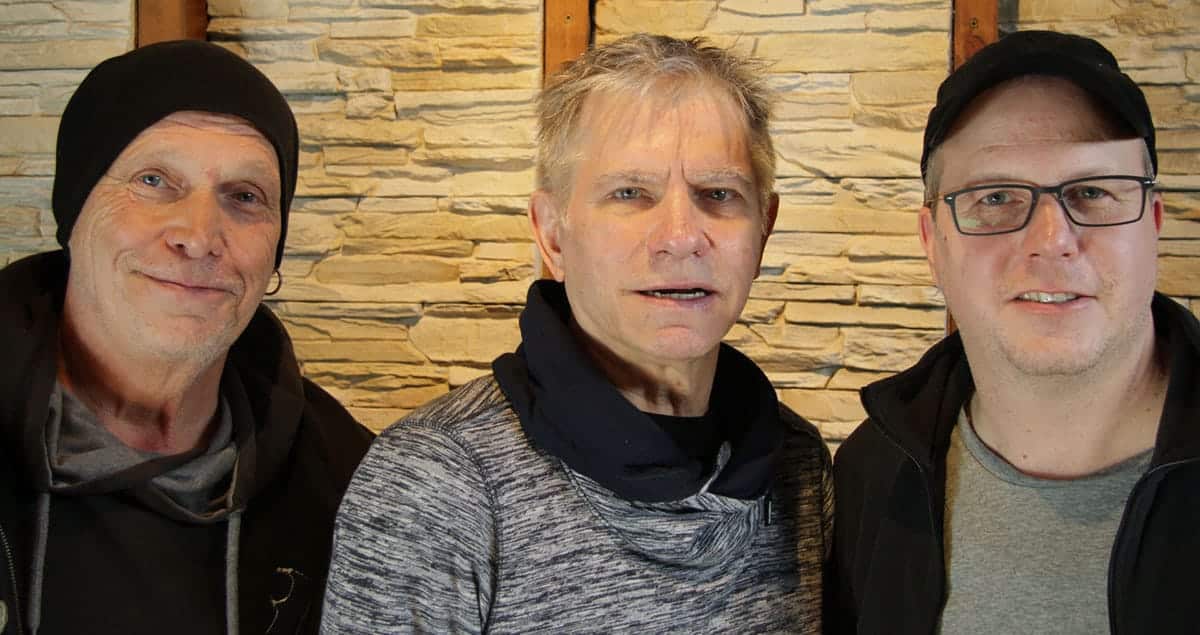
Gavin Harrison

Gavin Harrison is a highly respected British drummer and songwriter, renowned for his work in progressive rock and jazz. He is best known for his contributions to the bands Porcupine…
Comments Off on Gavin Harrison

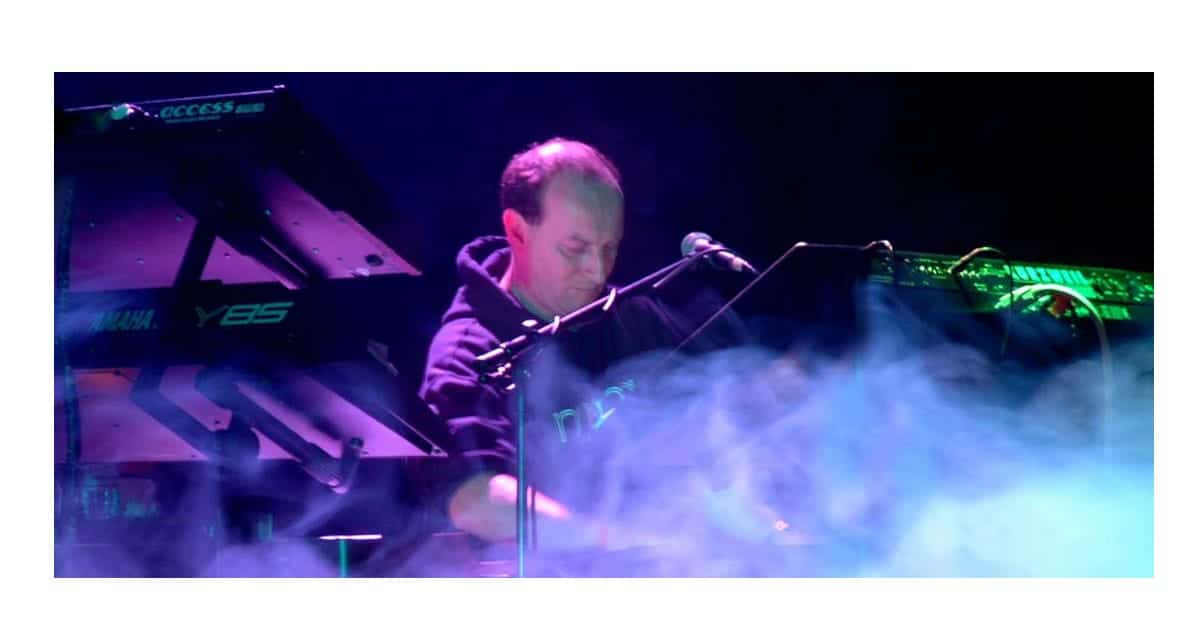
Grobschnitt

Grobschnitt: Detailed Information Formation and Country Grobschnitt was a German progressive rock band formed in 1970 in Hagen, Germany. The band's name, which means "rough cut" or "rough draft" in…
Comments Off on Grobschnitt

Martin Orford

Martin Orford: Detailed Information Formation and Country Martin Orford is an English musician, born on November 15, 1958, in the United Kingdom. He is best known for his work as…

Comments Off on Martin Orford
