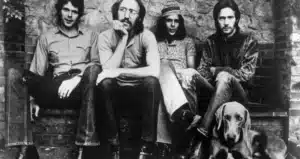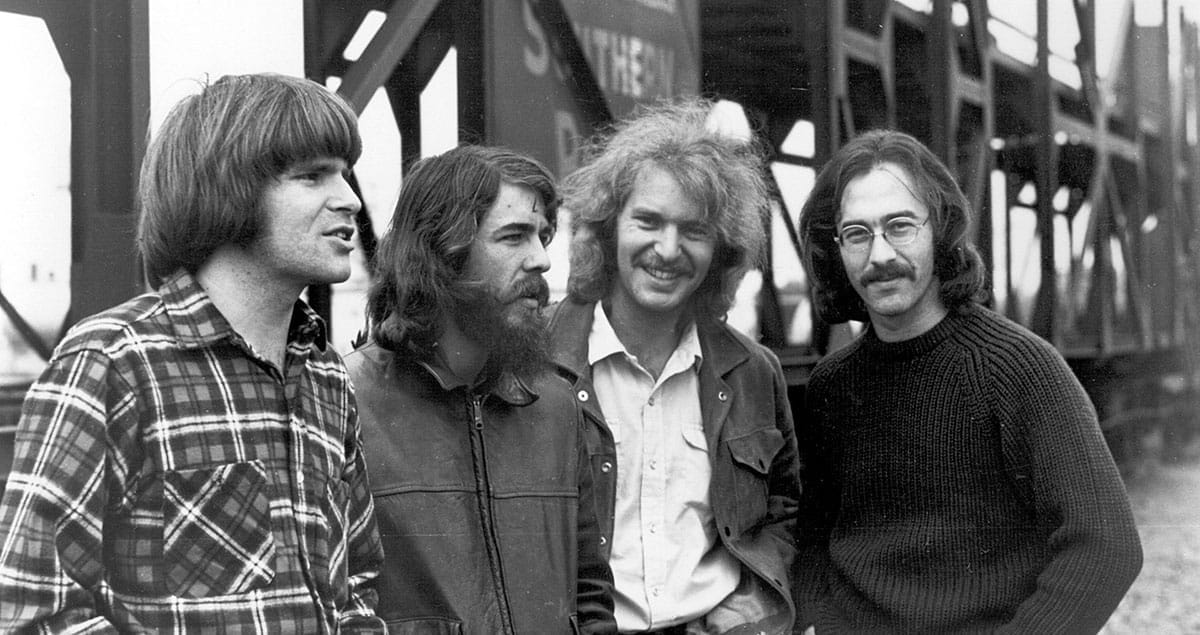
Creedence Clearwater Revival is one of the most influential rock acts of its era, known for shaping the sound and identity of modern rock music through iconic albums, timeless songs, and a lasting cultural legacy.
Creedence Clearwater Revival: A Journey Through Their Musical Legacy
Creedence Clearwater Revival (CCR) was one of the most influential American rock bands of the late 1960s and early 1970s. Blending blues, country, and roots rock into a raw yet accessible sound, the band created timeless classics such as Proud Mary, Bad Moon Rising, and Fortunate Son, leaving a lasting impact on rock music history.
Creedence Clearwater Revival (CCR) was a pivotal American rock band that rose to fame in the late 1960s and early 1970s. Known for their unique blend of rock, blues, and southern-influenced sounds, CCR created timeless hits that continue to resonate with audiences worldwide. Their music, marked by John Fogerty’s distinctive voice and compelling lyrics, brought a fresh perspective to the rock scene of their era.
The Origins of Creedence Clearwater Revival
Creedence Clearwater Revival originated from El Cerrito, California, where the founding members first met during their high school years. Originally performing as The Blue Velvets, the group consisted of John Fogerty, his brother Tom Fogerty, Stu Cook, and Doug Clifford. Their early days were marked by a series of name changes and local performances that helped them hone their sound.
The name Creedence Clearwater Revival was adopted in 1967, symbolizing a new beginning for the band. “Creedence” was derived from a friend of Tom Fogerty, “Clearwater” alluded to a popular beer, and “Revival” signified their renewed commitment to making music. This combination captured the essence of their vision, which was to create music that was both authentic and timeless.
The Band’s Lineup
John Fogerty emerged as the band’s primary songwriter and vocalist, crafting songs that became anthems of their time. His brother Tom played rhythm guitar, adding depth to their sound. Bassist Stu Cook and drummer Doug Clifford, both adept musicians, provided a solid rhythm section that was crucial to the band’s success. Together, they formed a cohesive unit that could deliver powerful live performances and studio recordings.
The Musical Style of CCR
Creedence Clearwater Revival’s music was a distinctive blend of rock ‘n’ roll, blues, and country influences. Their sound was characterized by John Fogerty’s gritty vocals, catchy guitar riffs, and straightforward, yet poignant, lyrics. Unlike many of their contemporaries, CCR’s music had a stripped-down quality that emphasized storytelling and emotion over elaborate production techniques.
The band’s songs often explored themes of southern life, social issues, and personal introspection. Despite originating from California, their music evoked the spirit of the American South, resonating with listeners who appreciated their raw, unpretentious style. This unique musical identity helped CCR stand out in a crowded rock landscape.
Influential Hits
Creedence Clearwater Revival produced a string of hits that remain staples of classic rock radio. Songs like “Bad Moon Rising,” “Proud Mary,” and “Fortunate Son” showcased their ability to craft memorable melodies and thought-provoking lyrics. Each track reflected the band’s knack for capturing the zeitgeist of the era, often addressing social and political issues with a subtle yet impactful approach.
Their music’s enduring popularity can be attributed to its timeless quality and universal appeal. CCR’s ability to blend different musical styles into a cohesive sound allowed them to reach a diverse audience. Even decades after their peak, their songs continue to inspire new generations of musicians and fans alike.
Impact on Rock Music
Creedence Clearwater Revival significantly impacted the rock music landscape, influencing countless artists across various genres. Their straightforward approach to songwriting and performance set a precedent for many bands that followed. By prioritizing authenticity and emotional resonance, CCR demonstrated that simplicity could be just as powerful as technical complexity in music.
The band’s politically charged songs, such as “Fortunate Son,” became anthems for the anti-war movement and resonated with those disenchanted by the Vietnam War. Such tracks exemplified how music could be a vehicle for social commentary, a concept that remains relevant in today’s musical discourse.

Legacy and Recognition
Despite their relatively short career, spanning from 1967 to 1972, Creedence Clearwater Revival left an indelible mark on the music industry. The band was inducted into the Rock and Roll Hall of Fame in 1993, a testament to their lasting influence and contribution to rock music. Their work continues to be celebrated through various compilations, reissues, and tributes.
CCR’s legacy endures, not only through their recorded music but also through their impact on popular culture. Their songs have been featured in numerous films, television shows, and commercials, further cementing their place in the pantheon of rock music legends. The band’s influence can be heard in the work of many contemporary artists who draw inspiration from their timeless sound.
The Band’s Breakup and Aftermath
Despite their success, internal tensions and creative differences led to the band’s breakup in 1972. Tom Fogerty had already departed in 1971, and the remaining members struggled to maintain the group’s momentum. John Fogerty’s dominant role in the band’s creative process was a source of friction, ultimately contributing to their dissolution.
After the breakup, John Fogerty pursued a solo career, achieving success with hits like “Centerfield” and “The Old Man Down the Road.” Tom Fogerty also pursued solo endeavors but never reached the same level of acclaim. Stu Cook and Doug Clifford formed the band Creedence Clearwater Revisited, performing CCR’s classic hits for new audiences.
Reunion and Tributes
Although a full reunion of the original members never materialized, the surviving members occasionally reunited for special performances and tribute events. These events highlighted the enduring appeal of CCR’s music and the deep connection fans continue to feel with their songs. Various tribute bands and cover artists keep the spirit of Creedence Clearwater Revival alive, ensuring that their music remains accessible to new generations.
In recent years, the band’s legacy has been celebrated through documentaries, biopics, and retrospectives that explore their impact on music and culture. These projects provide fans with a deeper understanding of the band’s history and the personal dynamics that shaped their journey. Through these tributes, Creedence Clearwater Revival’s music continues to be revered and cherished by audiences around the world.
The Enduring Appeal of Creedence Clearwater Revival
Creedence Clearwater Revival’s music endures due to its timeless quality and universal themes. Their songs encapsulate the spirit of an era while transcending generational boundaries. As long as there are listeners who appreciate authentic, emotionally resonant music, CCR’s influence will continue to be felt.
The band’s ability to craft songs that speak to the human experience has ensured their place in the annals of rock history. Their enduring appeal lies in their commitment to authenticity, both in their music and their message. As new generations discover the magic of Creedence Clearwater Revival, their legacy will undoubtedly continue to grow.
Exploring the Band’s Discography
Creedence Clearwater Revival’s discography is a testament to their prolific creativity and musical prowess. Over their relatively short career, the band released seven studio albums, each contributing to their legacy in significant ways. Their debut album, “Creedence Clearwater Revival,” released in 1968, laid the foundation for their distinctive sound, featuring tracks like “Suzie Q” and “I Put a Spell on You.” These songs showcased the band’s ability to reinterpret classic blues and rock standards with a fresh and energetic approach.
Their sophomore album, “Bayou Country,” released in 1969, solidified their place in rock history. With hits like “Proud Mary” and “Born on the Bayou,” the album captured the essence of CCR’s swamp rock sound. The success of “Bayou Country” was followed by “Green River,” which featured chart-topping singles such as “Bad Moon Rising” and “Green River.” These songs exemplified the band’s knack for creating catchy, yet meaningful, music that resonated with a wide audience.
Iconic Albums and Tracks
The release of “Willy and the Poor Boys” in 1969 further cemented CCR’s status as rock icons. The album included the politically charged “Fortunate Son,” a track that became an anthem for the anti-war movement. Its raw energy and pointed lyrics highlighted the band’s ability to address pressing social issues through their music. The album also featured “Down on the Corner,” a song that showcased CCR’s talent for blending storytelling with infectious rhythms.
In 1970, “Cosmo’s Factory” was released, becoming one of the band’s most successful albums. It included hits like “Travelin’ Band,” “Who’ll Stop the Rain,” and “Lookin’ Out My Back Door,” each contributing to the band’s reputation for crafting timeless classics. “Cosmo’s Factory” demonstrated the band’s versatility, seamlessly incorporating elements of rock, blues, and country into a unified sound.

The Influence of CCR’s Lyrics
Creedence Clearwater Revival’s lyrics played a crucial role in their enduring impact on the music world. John Fogerty, as the primary lyricist, had a unique ability to distill complex themes into simple yet profound words. His lyrics frequently explored themes of struggle, resilience, and social justice, resonating deeply with listeners during a tumultuous period in American history.
One of the band’s most notable traits was their ability to address political and social issues without alienating their audience. Songs like “Fortunate Son” and “Run Through the Jungle” tackled issues such as war and societal unrest with a subtlety that allowed listeners to interpret the messages in their own way. This approach ensured that CCR’s music remained accessible and relevant to a broad audience.
CCR’s Cultural Impact
The cultural impact of Creedence Clearwater Revival extended beyond their lyrics and music. Their authentic and unpretentious style resonated with a generation seeking genuine expressions of emotion and truth. In a time when the music scene was often dominated by elaborate performances and complex compositions, CCR’s straightforward approach was refreshing and relatable.
The band’s influence is evident in the numerous artists and bands that have cited them as inspiration. Their ability to blend different musical genres into a cohesive sound has inspired countless musicians to explore new avenues in their own work. Additionally, CCR’s commitment to authenticity and social commentary paved the way for future artists to use their music as a platform for meaningful expression.
Their music’s lasting appeal is a testament to the universal themes and emotions embedded in their songs. From the anthemic choruses to the evocative storytelling, CCR’s music continues to speak to the human experience, ensuring their place in the pantheon of rock legends.